Architecture has always been a mirror of society's inner workings. Today, as our digital lives become increasingly cluttered, a new wave of structural design is emerging, one that prioritizes silence, shadow, and the raw honesty of materials. This is not the sterile minimalism of the 1990s, but a warmer, more tactile approach to subtraction.
In the heart of the Swiss Alps, a recent project by Atelier Valerius stands as a testament to this philosophy. Built entirely from locally sourced stone and reclaimed oak, the residence disappears into its surroundings during the winter months, only to emerge as a sharp, geometric sculpture when the snow melts.
True luxury is not defined by what we add to a space, but by the quality of the void we leave behind.
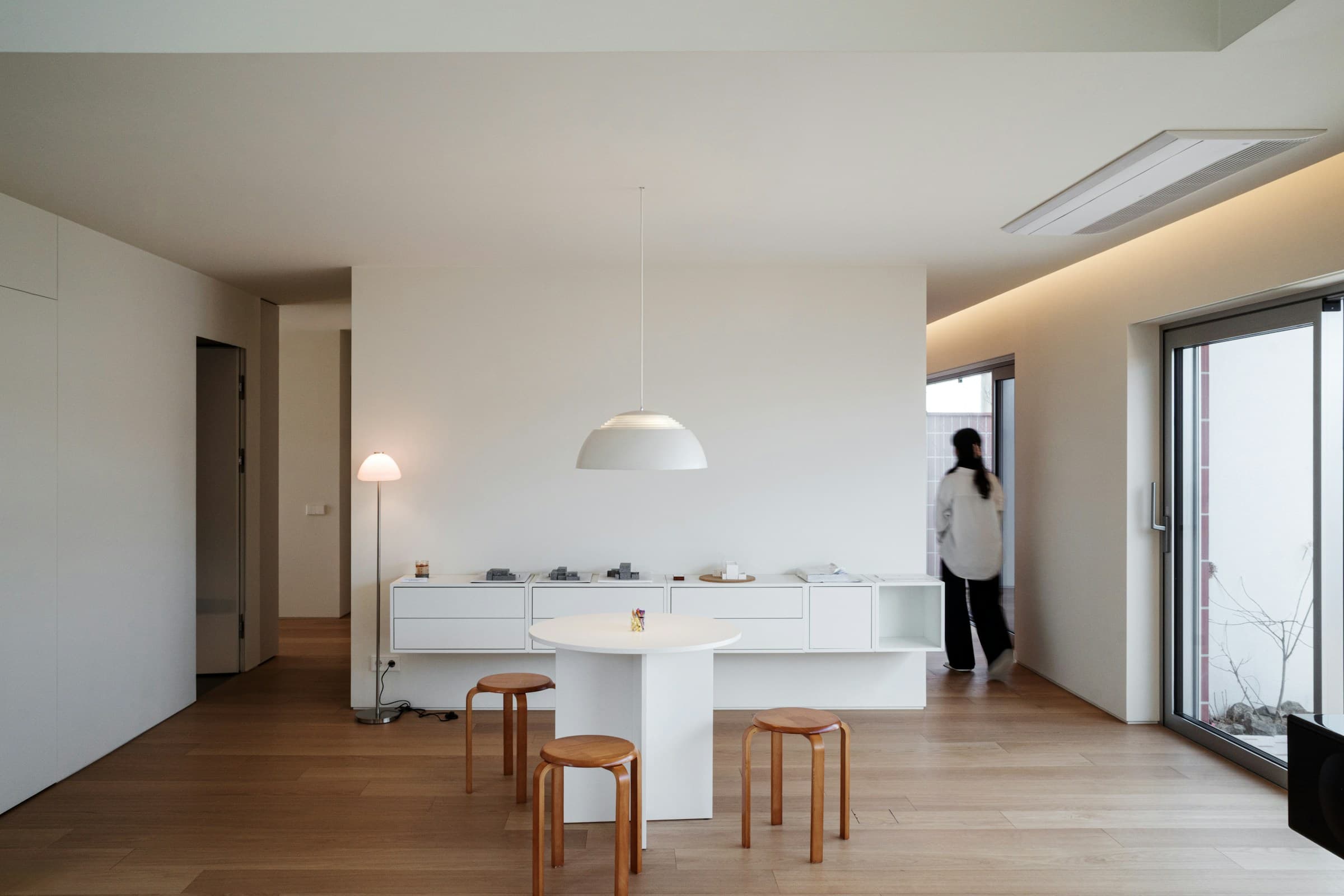
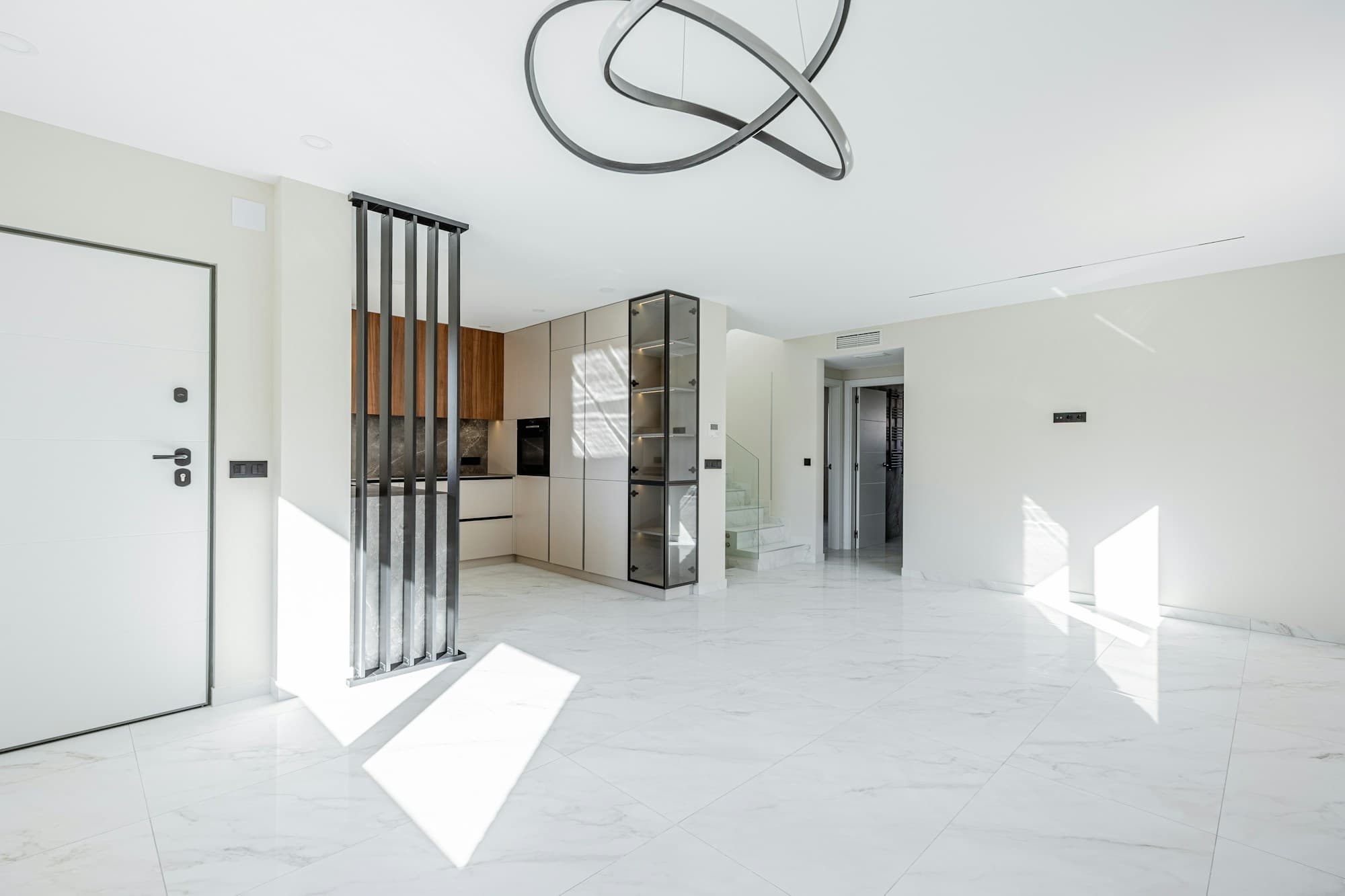
The interiors follow the same rigorous logic. There are no baseboards, no crown moldings, and no visible hinges. The architecture itself provides the furniture; concrete slabs become benches, and recessed wall niches serve as shelving. This integration of function into form removes the visual noise that typically accompanies domestic life.
Sustainability, often a buzzword in modern development, is treated here as a fundamental constraint rather than a feature. By using materials that age gracefully, copper that patinas, wood that silver-fades, the building is designed to evolve. It does not fight the elements; it collaborates with them.
As we move further into a century defined by rapid change, these monuments of stillness offer more than just shelter. They offer a sanctuary for the mind, a physical manifestation of the clarity we all strive for in our chaotic world.
The Discipline of Leaving Space Alone
What makes this new architectural language compelling is not its austerity, but its confidence. Each room is given enough silence to let proportion, light, and surface become the narrative. The result is a home that does not perform wealth loudly; it asks the occupant to slow down enough to notice the temperature of stone, the grain of timber, and the measured transition from public space into retreat.
For designers, this restraint requires a different kind of authorship. Instead of adding another material, another feature, or another gesture, the work becomes editorial. It is the discipline of cutting until only the essential remains. In that sense, the house behaves more like a well-edited magazine spread than a conventional residence: every margin matters, every pause has weight.
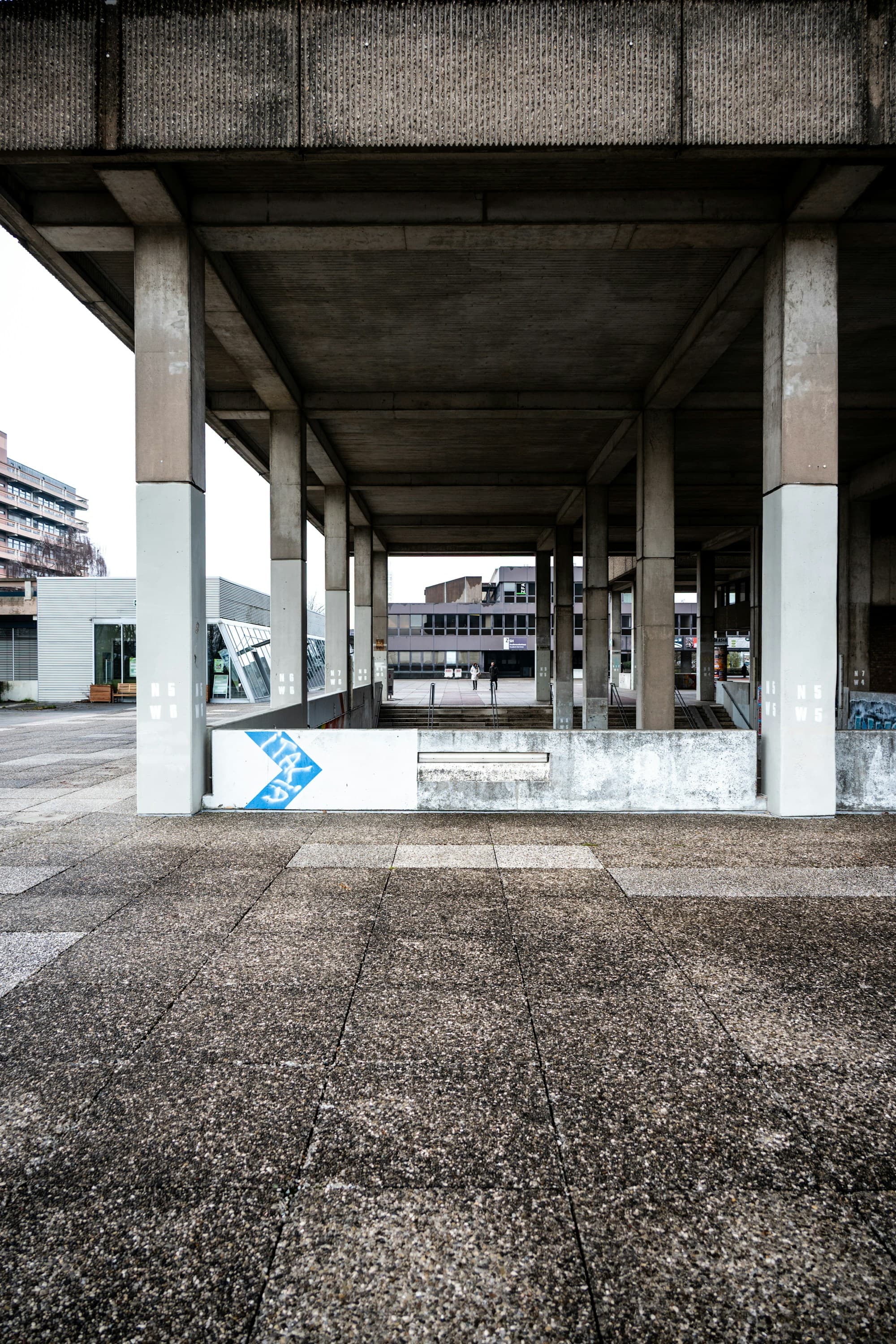
This is also why the movement has found resonance beyond architecture. Fashion houses, furniture studios, and independent publishers are all returning to the same question: what remains valuable when speed is no longer impressive? In the best examples, the answer is not nostalgia. It is presence. The object, the page, the room, and the garment all become vessels for attention.
Minimalism, at its most mature, is not emptiness. It is hospitality for thought. It clears enough space for memory to arrive, for materials to age honestly, and for daily rituals to regain their dignity. In a culture addicted to novelty, that may be the most radical luxury of all.